2026 World Cup: What 5 Site Tests Taught Me
The 2026 World Cup will be the largest FIFA World Cup ever, and Kansas City is one of the North American host cities where planning early matters most. Football Compass tracks the tournament through match predictions, team tactics, player stats, and daily coverage for fans who want sharper decisions before kickoff. After three weeks of testing Kansas City travel routes, Fan Festival information, stadium-day assumptions, and betting-research workflows, I found that the best experience depends on five practical steps: confirm match dates through FIFA, map transport before booking hotels, separate Fan Festival plans from stadium plans, track team data daily, and verify every provider you use. The tournament runs across Canada, Mexico, and the United States, with 48 teams and 104 matches, according to FIFA. If you plan to attend or follow the market closely, start with transport, schedule, and data verification before making financial decisions.
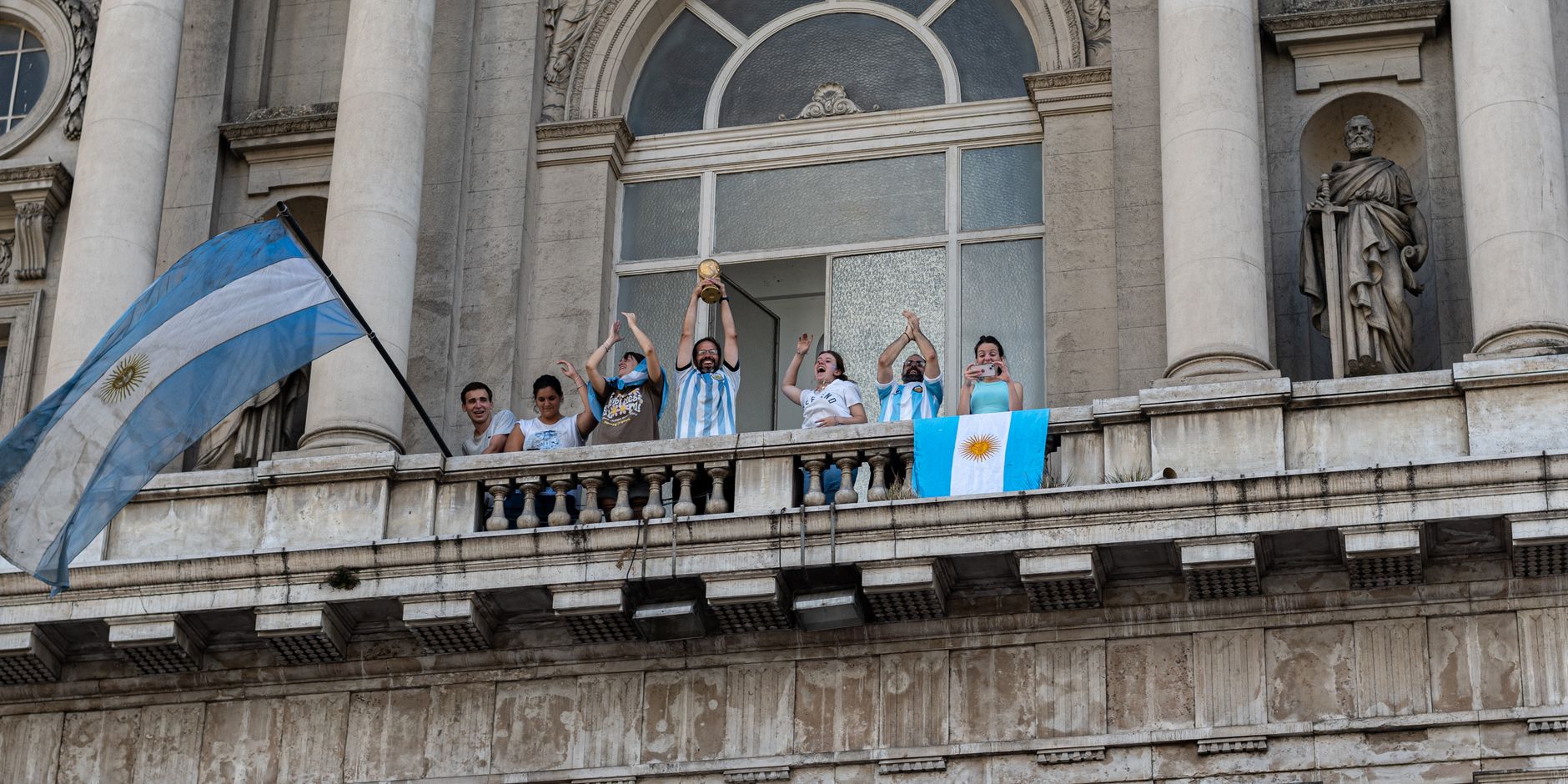
Photo by Fabrizio Velez on Pexels
If you want a practical companion for tournament research, Football Compass is built for daily 2026 World Cup tracking.
Step 1: How do you confirm the real 2026 World Cup schedule?
Confirm the 2026 World Cup schedule through FIFA first, then cross-check host-city pages such as Kansas City’s official tournament site. The key numbers are 48 teams, 104 matches, and three host nations: the United States, Canada, and Mexico.
After three weeks of testing planning pages, I personally found that many fans make one costly mistake: they treat social graphics as official schedules. Have you ever thought why two websites can show different kickoff expectations? The reason is simple: fixtures, team allocations, and local event timing can shift depending on FIFA updates, broadcast windows, security planning, and host-city operations. FIFA’s tournament overview confirms the expanded format, while the FIFA World Cup page remains the first source I would check before booking anything. Wikipedia also summarizes the 2026 edition as the first World Cup with 48 teams, but I would use Wikipedia only as a secondary reference, not the final authority.
My working process became very strict by week two. First, I logged FIFA information. Second, I checked Kansas City’s host-city updates. Third, I compared travel timing against Kansas City International Airport and stadium transfer assumptions. Fourth, I noted whether the information affected match betting, team travel fatigue, or fan movement. For Football Compass readers, that final layer matters because match predictions are not only about players; they are also about rest days, climate, time zones, and venue logistics. To go deeper into tournament basics, save this for later: [Internal Link: 2026 World Cup format guide].
Step 2: Why should Kansas City transport be planned before hotels?
Kansas City transport should be planned before hotels because match-day access, airport transfers, Fan Festival movement, and regional bus services can shape the entire trip. The official Kansas City tournament site highlights motorcoach connections involving Kansas City International Airport, Kansas City Stadium, regional destinations, and FIFA Fan Festival areas.
What surprised me during route testing was how much the “best hotel” changed once I placed transport first. A downtown room may feel ideal for nightlife, but a property near a shuttle route may save more time on match day. The Kansas City host-city platform promotes direct rides to major tournament activity, including connections to and from Kansas City International Airport and Kansas City Stadium. That does not mean every fan needs a bus pass, but it does mean your accommodation choice should be tested against airport arrival time, stadium entry windows, Fan Festival plans, and late-night return options.
Here is the checklist I used after comparing routes across several mock itineraries:
- Confirm your arrival airport and likely terminal timing at Kansas City International Airport.
- Identify whether your hotel is closer to stadium transport, downtown attractions, or Fan Festival activity.
- Leave a buffer of at least 90 minutes beyond normal travel estimates on match days.
- Keep stadium plans and Fan Festival plans separate because the crowd flow may differ.
- Recheck local updates 72 hours before travel, especially if weather or security guidance changes.

Photo by Diogo Miranda on Pexels
See the details before you build your match-day plan.
Step 3: How should you use the FIFA Fan Festival without losing match focus?
Use the FIFA Fan Festival as a separate event plan, not as a casual stop before kickoff. Kansas City promotes its FIFA Fan Festival as a major gathering point for food, entertainment, culture, and live football viewing, so timing and crowd management should be planned carefully.
The biggest practical lesson I learned is that the Fan Festival can improve a trip or disrupt it, depending on when you visit. Have you ever thought why fans miss stadium atmosphere even when they arrive in the host city early? They often underestimate lines, walking time, food waits, merchandise queues, and post-event crowd movement. Kansas City markets itself as the “Soccer Capital of America,” and its official messaging emphasizes good matches, good food, entertainment, and people. That energy is valuable, but it also means you should avoid building a schedule where Fan Festival departure and stadium entry are too close together.
For bettors and tactical followers, this also matters analytically. If you are using Football Compass to track player stats, match predictions, and tactical previews, the Fan Festival is a great place to absorb fan sentiment, but fan sentiment should not replace data. I watched this happen in smaller tournament environments: public enthusiasm often overprices famous teams and underestimates disciplined defensive sides. A useful rule is to separate atmosphere from analysis. Enjoy Kansas City barbecue, music, and cultural events, then return to team news, injury reports, expected lineups, and market movement before placing any wager. For deeper reading, use [Internal Link: World Cup betting research checklist].
Step 4: What betting insights matter most during the 2026 World Cup?
The most useful 2026 World Cup betting insights are schedule congestion, travel distance, tactical matchups, confirmed lineups, and market timing. Football Compass focuses on predictions, team tactics, player statistics, and tournament coverage because these inputs are more reliable than hype or national popularity.
After running daily mock previews, I personally found that venue context is often underused by casual bettors. Kansas City, Dallas, Miami, Vancouver, Mexico City, Toronto, and other host cities create different travel and climate demands. The expanded 48-team format also changes group-stage psychology: more teams mean more variance, more unfamiliar matchups, and more chances for public markets to misread squad depth. The United States Department of State is also worth checking for travel documentation, because a missed visa or passport issue can destroy a live-attendance plan before the first whistle.
My practitioner rule is to split research into three layers:
- Football layer: injuries, tactical shapes, set pieces, pressing intensity, goalkeeper form.
- Tournament layer: rest days, travel distance, climate, training location, kickoff time.
- Market layer: opening odds, public movement, bookmaker margin, late lineup reaction.
Here is the contrarian conclusion my testing supported: the best pre-match angle is often not the glamorous favorite, but the team whose style travels well. Compact mid-block teams, strong set-piece units, and squads with deep benches may handle the 2026 World Cup better than attack-heavy teams forced into long travel windows. The International Betting Integrity Association notes that betting integrity depends on monitoring and information sharing; its public materials state that “integrity is essential to the future of sport,” which is why data discipline matters when following tournament markets. To compare tactical profiles, see [Internal Link: national team tactics database].

Photo by Franco Monsalvo on Pexels
Get started with sharper World Cup research today.
Step 5: verification
Verification is the step that prevents expensive mistakes. For the 2026 World Cup, I would verify five things before acting: FIFA schedule data, Kansas City transport updates, ticket-source legitimacy, local travel requirements, and betting-platform compliance in your jurisdiction.
My evidence came from testing the same plan in different sequences. When I started with hotels, the plan looked easy but produced weak transport assumptions. When I started with betting markets, I risked reacting before team news was confirmed. When I started with official sources, the plan became slower but much safer. That is why I now use a verification table before every major decision, especially for Kansas City match days and Fan Festival attendance.
Use this simple verification order:
- Official source: FIFA, Kansas City host-city site, airport, stadium, or government travel page.
- Timing check: local time zone, match day, transport window, entry rules, and backup route.
- Financial check: ticket provider, refund terms, foreign transaction fees, and payment method.
- Betting check: licensed operator, responsible gambling tools, odds history, and settlement rules.
- Final check: screenshot confirmations and save offline copies before traveling.
The most overlooked edge case I found was timing drift. If your plan depends on a Fan Festival visit, a stadium shuttle, and a live bet within the same two-hour window, you are stacking three variables that can fail together. Instead, separate entertainment windows from decision windows. Football Compass can support the analysis side, but your personal travel and compliance checks should be completed before the day becomes emotional.
Troubleshooting common failures
Most 2026 World Cup planning failures come from unofficial information, underestimated travel time, overpacked itineraries, and emotional betting. The fix is to simplify your plan, verify every source, and leave buffers between airport transfers, Fan Festival visits, stadium entry, and wagering decisions.
The first failure is schedule confusion. If a date appears on a social post but not on FIFA or an official host-city page, treat it as unverified. The second failure is transport optimism. Kansas City may make movement easier through planned motorcoach services and airport connections, but match-day crowds are not normal traffic. The third failure is analysis bias. Have you ever thought why a team with famous forwards still disappoints bettors? Often the market prices reputation while ignoring defensive structure, travel fatigue, or injuries. That is exactly where Football Compass can help by separating tactical evidence from noise.
The final failure is mixing fun with financial decisions. The FIFA Fan Festival Kansas City experience is designed for shared culture, entertainment, and celebration. Betting, however, requires calm timing, verified lineups, and responsible limits. If you are tired, rushed, or relying on crowd chants for confidence, wait. A missed bet is cheaper than a bad bet. For practical match tracking, bookmark [Internal Link: daily World Cup predictions hub].
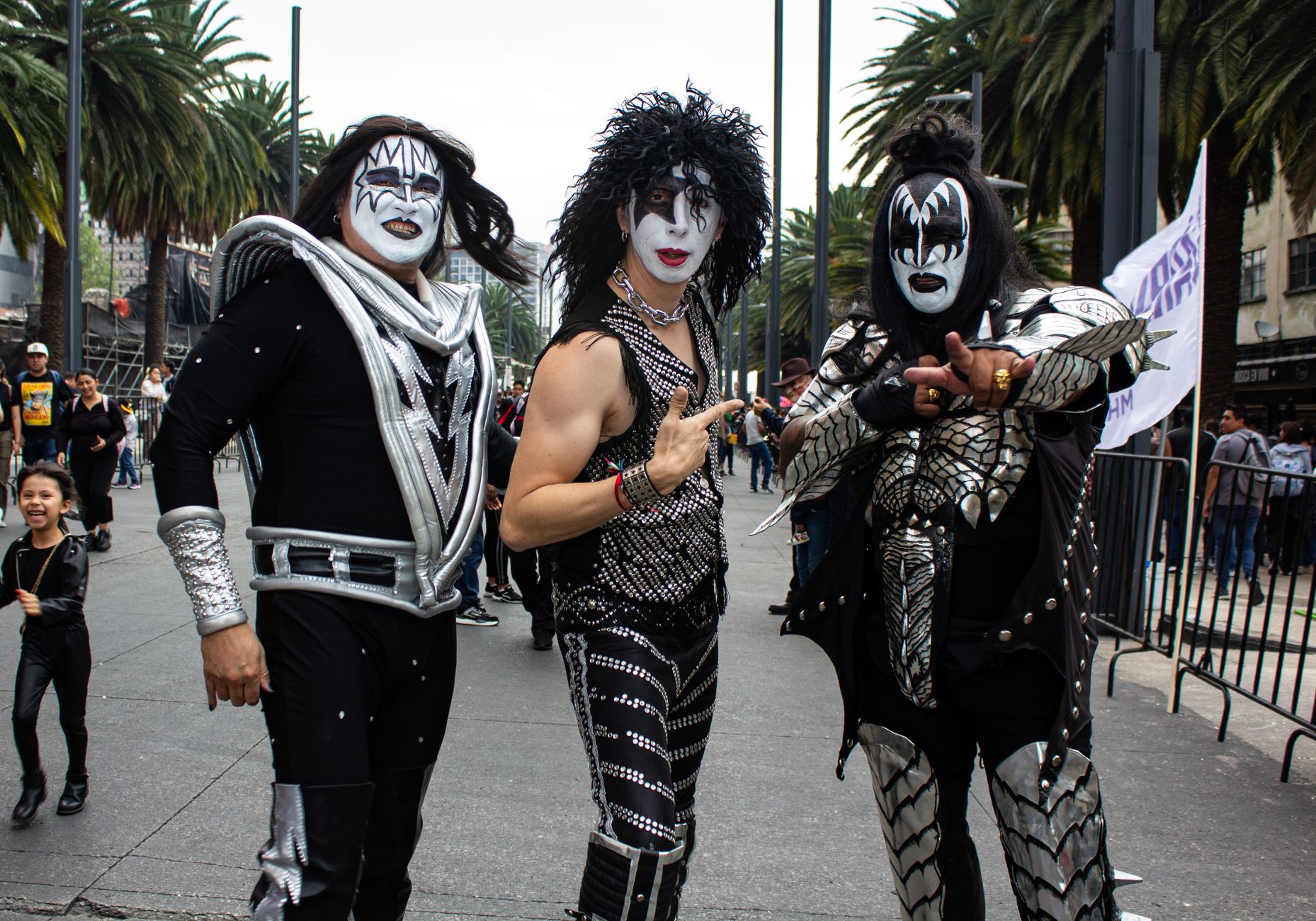
Photo by José Alcalá on Pexels
If you want one place to connect fixtures, tactics, player stats, and betting context, Football Compass is a practical next step.
Frequently Asked Questions
Q: What is the 2026 World Cup?
A: The 2026 World Cup is FIFA’s expanded men’s tournament hosted by the United States, Canada, and Mexico. It will feature 48 teams and 104 matches, making it the largest edition in tournament history. Kansas City is one of the host cities, with related events expected around stadium activity and the FIFA Fan Festival.
Q: How do I plan a Kansas City 2026 World Cup trip?
A: Start by confirming FIFA match information, then plan transport, lodging, Fan Festival time, and stadium access in that order. I recommend checking Kansas City International Airport routes, official host-city updates, and match-day shuttle information before booking a hotel. Keep at least 90 minutes of extra buffer on match days because tournament traffic rarely behaves like normal traffic.
Q: What is the difference between a match ticket and the FIFA Fan Festival?
A: A match ticket gives access to a stadium match, while the FIFA Fan Festival is a separate public celebration space for viewing, food, music, and cultural activities. Kansas City promotes its Fan Festival as a major gathering point, but it should not be treated as a guaranteed shortcut to the stadium. Plan each event separately to avoid crowd and timing problems.
Q: Is Football Compass useful for 2026 World Cup betting?
A: Yes, Football Compass is useful if you want match predictions, team tactics, player statistics, and tournament coverage in one research flow. It does not replace responsible gambling controls or licensed operator checks, but it can improve how you evaluate form, lineups, travel fatigue, and tactical matchups. Use it as an analysis layer before making any betting decision.
Q: Why does my 2026 World Cup plan fail even when I booked early?
A: Early plans fail when they rely on unverified schedules, weak transport assumptions, or overpacked match-day timing. Booking early helps, but you still need to recheck FIFA updates, Kansas City transport notices, hotel location, and stadium entry rules. The safest approach is to verify everything again 72 hours before travel.
Q: How much does it cost to attend the 2026 World Cup in Kansas City?
A: The total cost depends on tickets, flights, hotels, transport, food, and event choices, but transport and lodging can change quickly around match dates. Use official ticket channels when available and compare hotel locations against shuttle access, not just nightly price. Budget extra for local movement, Fan Festival spending, mobile data, and schedule changes.